
Social media is the wild west of skin care advice. These experts are setting the record straight.
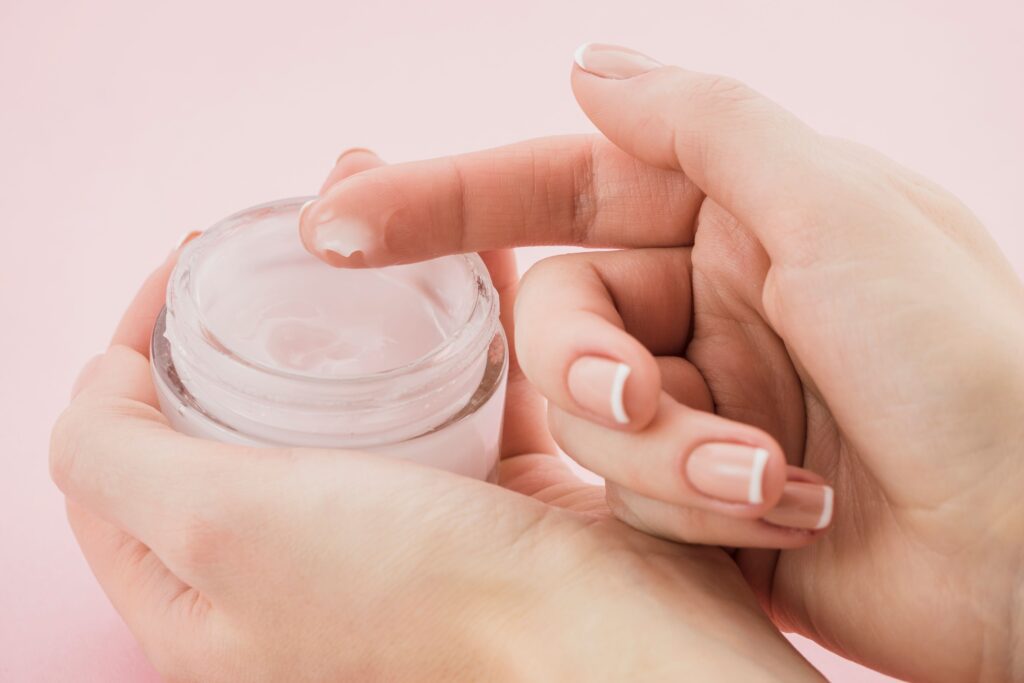
When it comes to skincare, the internet is a double-edged sword. Social media is full of hacks, product recommendations and so-called experts that promise radiant skin if you follow their 12-step routines, which could include anything from citrus facials to mail-order chemical peels. But according to some Canadian dermatologists, what’s trending may be wreaking havoc on your skin (or even leaving lasting damage).
We caught up with two of Canada’s leading skin experts over email to talk about the downsides of viral skincare and how to identify good advice in a sea of misinformation. Dr. Benjamin Barankin is a Toronto dermatologist, medical director and founder of the Toronto Dermatology Centre, where he regularly treats patients suffering the consequences of social-media-fuelled skincare gone wrong. From patients using drugstore wart removers on suspicious moles to teenagers experimenting with retinol and fillers they bought online, he’s seen it all.
Also weighing in is Dr. Roni Munk, a cosmetic dermatologist and medical director at Dermapure Westmount and Pointe-Claire in Montreal. For Munk, the damage goes beyond skin deep. “Skin is delicate and complex,” he explains. “What works for one person might be harmful for another.” Ahead, both derms unpack the most harmful trends they’re seeing, what you should avoid at all costs and how to navigate the noise with expert-backed clarity.
Have you seen harmful/damaging skincare trends on social media platforms like Instagram and/or TikTok? If so, what were they?
Dr. Roni Munk (RM): “Yes, definitely. I’ve seen several skincare trends on social media that are not only ineffective, but potentially harmful. For example, people applying thick oils or greasy products to treat acne, which often makes breakouts worse. I’ve also seen individuals rubbing citrus fruits directly on their skin, which can lead to painful reactions, like phytophotodermatitis, when exposed to the sun. These are just a few examples, but they speak to a larger issue.”
Dr. Benjamin Barankin (BB): “Main trends relate to inexperienced or uneducated people providing skin advice in general. Usage of apple cider vinegar for pretty much everything comes to mind; skin-wise it is essentially useless. I’ve seen a number of patients use at-home skin-tag/wart removers, and they use it on pretty much any lesion on their body. I have seen plenty of scarring and permanent skin discolouration [as a result]; in particular, these devices are very dangerous for anyone with non-white skin, where melanocytes/pigment cells are very sensitive to very cold temperatures. I’ve had patients purchase acids online and do home chemical peels on their face, [causing] significant damage. There are many stories of people even purchasing dermal fillers online and injecting themselves—crazy! What if you inject into an artery? Or pierce a nerve?”
What about these trends is damaging?
BB: “Mainly, they’re a waste of time and money, but we do see scarring and pigmentary changes that can last years or even be permanent.”
RM: “What’s damaging is that these trends often go viral without any scientific backing. Social media can make anyone appear to be a skincare expert, even if they lack proper training or credentials. Following the wrong advice can lead to long-term skin issues like breakouts, rashes, sensitivity, pigmentation problems or even scarring.”
What do you think of the growing popularity of skincare advice from dermatologists, estheticians and aestheticians on social media?
RM: “When used responsibly, social media can be a powerful platform to educate a broader audience about healthy skin practices. Qualified dermatologists, physicians, nurses and aestheticians can share evidence-based knowledge in a way that’s accessible and engaging. But it’s important that we, as professionals, also make it clear where the limits are and encourage people to seek personalized advice when needed.”
BB: “I have no problem with true skin experts, like dermatologists, providing skincare advice—the more the better to ideally flood out the amateurs and those who are just shills for various companies or seeking lots of clicks.”
How can people determine what advice is good/useful and separate it from advice that may damage their skin?
RM: “Start by looking at the source. Is the person giving advice a board-certified dermatologist or a licensed skincare professional? Are they referencing science, or just personal anecdotes? Be cautious of any trend that promises instant results or encourages DIY treatments using food or household items, as those are often red flags. When in doubt, consult a professional. Skin is not one-size-fits-all, and good skincare is about consistency, not quick fixes.”
BB: “Take everything online with a grain of salt. Always seek expert care, ideally a dermatologist in person, or a dermatologist on socials. The less their training, the more a specific product is being pushed, the weirder something sounds, the larger the grain of salt has to be. Consider googling the advice at the very least, and, if possible, run what you’ve heard by your dermatologist for optimal results and safety.
“I’d add that we’re seeing more kids using ‘adult treatments,’ such as face masks and retinol for wrinkles; both are inappropriate and unnecessary to use before age 18.”
This interview has been condensed and edited for clarity.
Article by : Allie Turner, ellecanada.com